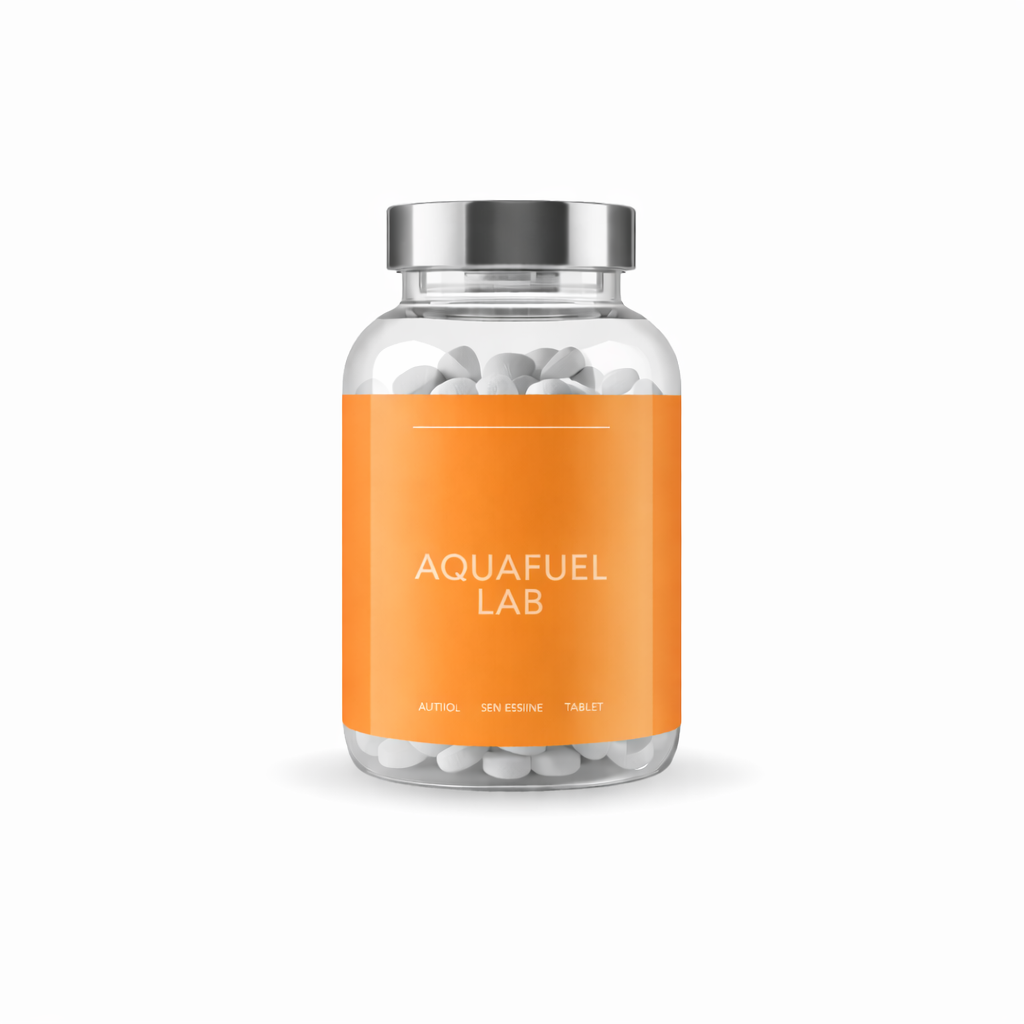
Orange flavor
(20)
Details:
Makes water taste like orange juice. Traditionally Sweetened Water: This involves dissolving sugar (sucrose) in water. It's a basic practice used in various culinary applications and homemade drinks. Variations include using different types of sugar (brown sugar, etc.) or adding other flavorings like extracts. Commercially Produced Flavored Waters: This market has grown significantly, offering diverse options: Vitamin-enhanced waters: These are fortified with vitamins, aiming to provide added nutritional benefits. Functional waters: These include ingredients like electrolytes, antioxidants, or other compounds marketed for specific health purposes. Fruit-infused waters: These use natural fruit flavors, sometimes with added sweeteners. Artificially sweetened waters: These use sugar substitutes to reduce calorie content. Concerns about Artificial Sweeteners: Research has shown that artificial sweeteners can persist in water systems, raising environmental concerns. While generally considered safe for human consumption at typical levels, the long-term environmental impact is still being studied. Key Considerations: Sweeteners: Various sweeteners are used, including natural sugars, artificial sweeteners (like sucralose, aspartame), and natural sugar alternatives (like stevia). Each sweetener has its own taste profile and potential health implications. Health Impacts: Excessive consumption of sugar-sweetened water can contribute to health problems like weight gain, tooth decay, and increased risk of type 2 diabetes. Artificially sweetened waters offer a lower-calorie alternative, but their long-term health effects are still debated. It is important to read the labels of commercially produced sweetened waters, to be aware of the ingredients, and nutritional information. Environmental Impact: The persistence of artificial sweeteners in water ways is a growing concern.
12.99 €
Quantity:
1